- Lasting change rarely comes from solving only the problem you can see. A leader must identify—and then work on—the many layers surrounding it.
In my leadership articles, I often write about the different layers that have shaped the way I lead: going beyond what is expected, looking beneath the surface of a problem, continuously fine-tuning, and understanding that sustainable change rarely comes from one intervention alone.
Perhaps one of the strongest examples of this philosophy is my journey with Merck Foundation’s “More Than a Mother” movement and why I created it.
When I look back at this journey, I realize that we were never simply providing scholarships to fertility specialists and embryologists. We were trying to change an entire environment around infertility.
For me, leadership meant looking at the problem from every direction. If there were no trained specialists, we had to build medical capacity. If stigma prevented women and couples from seeking care, we had to change perceptions. If misinformation was being reinforced through public narratives, we had to engage and train the media. If deeply rooted cultural or religious beliefs created resistance, we had to enter those conversations respectfully. And if conventional health communication could not reach everyone, we had to engage artists and creative communities to help carry the message.
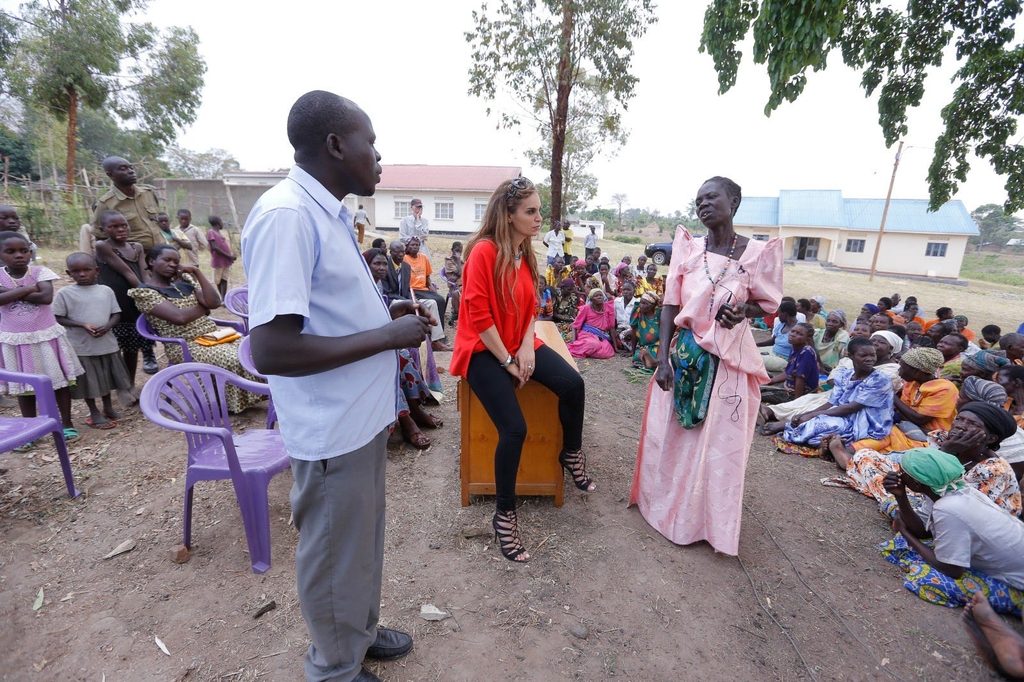
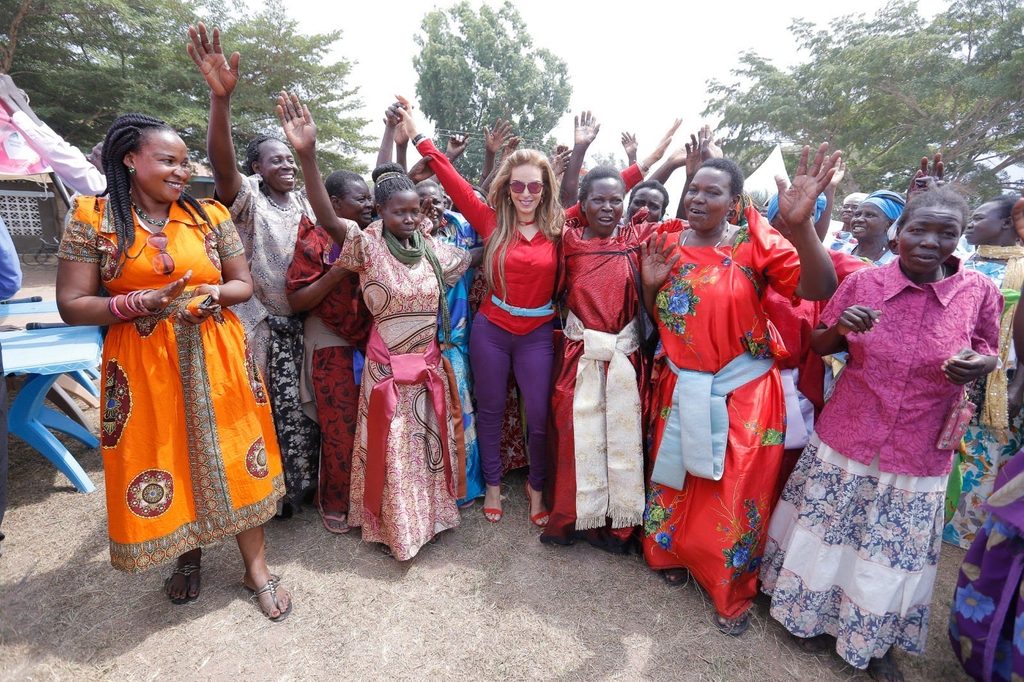
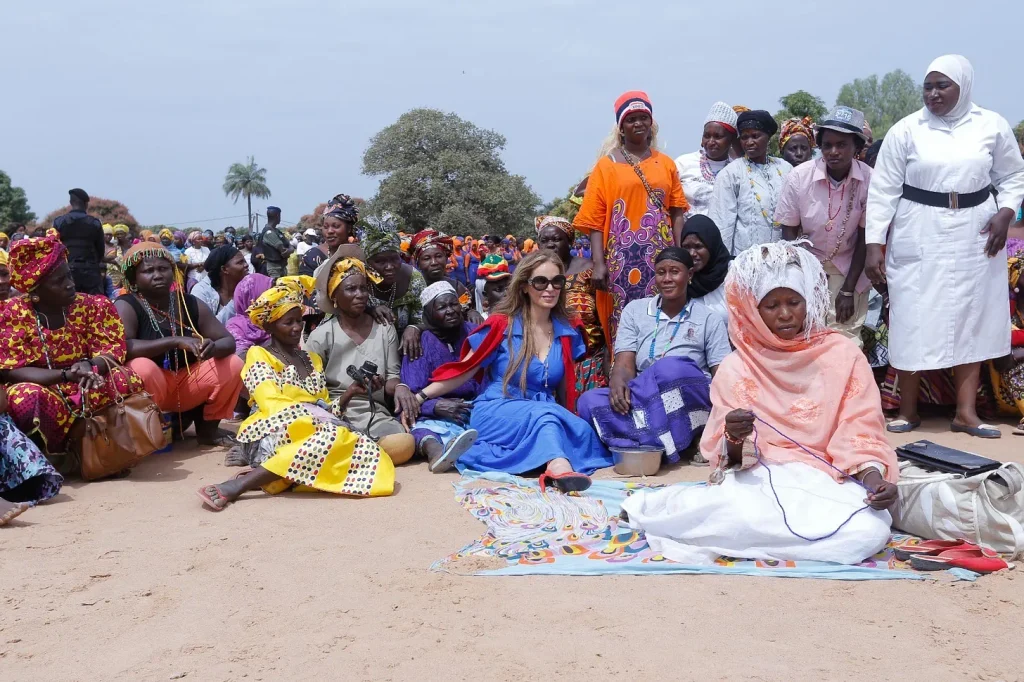
I went personally to communities, including rural areas, across countries such as Burundi, Uganda, Sierra Leone, Liberia, The Gambia, Guinea Conakry, Chad, Niger and the Central African Republic. I listened to women, couples, doctors, community and religious leaders. I saw first-hand the stigma surrounding infertility and, particularly, the enormous burden placed on women.
At the same time, through Merck Foundation, we supported the specialized training of the first local fertility specialists and embryologists from both the public and private sectors in many countries that never had a single local specialists before our intervention. We provided more than 800 scholarships for healthcare providers from 42 countries as part of “ more than a Mother” movement only.
This distinction has always been important to me. My objective was never to determine where a trained doctor should eventually practise. My objective was to build local expertise so that women and couples could have access to quality fertility and reproductive care in their own countries—through public hospitals, private centres and academic institutions—and so that this expertise could be sustained over time.
But training doctors alone was never going to be enough.
We also had to address the stigma that prevented couples from seeking help, the misconceptions that placed responsibility for infertility almost entirely on women, and the cultural or religious resistance to fertility treatment that I personally encountered in some communities.
This required going far beyond the healthcare system. Therefore , it was very critical to partner with Africa’s First Ladies , to be the Ambassdors of this string historic movement so they can influence their communities and create a culture shift.
We provided together with local media societies, health media training to journalists and media professionals so that infertility could be discussed accurately, sensitively and responsibly, and so that the media could become part of the solution rather than unintentionally reinforcing stigma.
We also launched annual media and creative awards to encourage journalists, filmmakers, fashion designers, musicians, singers and other artists to use their influence and creativity to address infertility stigma and other critical health and social issues. Through articles, films, songs, fashion, storytelling and other forms of creative expression, we wanted these messages to reach people in ways that medical conferences alone never could.
As I mentioned earlier , we engaged First Ladies, Ministries, healthcare professionals, media, artists, religious and community leaders because changing such deeply rooted perceptions requires many voices working toward the same goal.
This is why I consider what we have achieved to be much more than a medical training program. We helped build an ecosystem: developing local medical expertise while simultaneously working to create the social understanding and acceptance necessary for people to actually seek and benefit from that expertise.
My vision was simple from the beginning: no woman should be blamed for infertility, and no couple should be denied the possibility of appropriate care simply because specialized expertise does not exist in their country.
Access should not depend on geography, social status or the ability to travel abroad to seek fertility care.
It should exist locally, sustainably and at every appropriate level of the healthcare system.
And access is not only about having a trained doctor or a fertility centre. True access exists when the expertise is available, the community understands that infertility is a medical condition, women are no longer blamed, and couples feel able to seek care without shame or stigma.
Perhaps this is also one of the most important lessons this journey has taught me about leadership: lasting change rarely comes from solving only the problem you can see. A leader must identify—and then work on—the many layers surrounding it.
Senator Dr. Rasha Kelej
CEO of Merck Foundation