To be trusted, you must learn not to trust blindly.
As a leader, when you rely on someone’s promise, the consequences extend beyond you. Your team may build a plan around it. Your partners may make commitments based on yours. Communities may depend on what you have promised.
If that promise fails, saying “I trusted someone else” does not remove your responsibility. The people affected trusted you.
At Merck Foundation, together with our partners, we chose the more difficult path: rigorous processes, documented commitments, careful verification and sustained accountability. We chose it to protect the people who placed their trust in us.
For me, trust must be earned again and again, through every commitment, decision and action. This principle applies to everyone, including me.
In my latest Leadership Beyond the Obvious article, I reflect on why protecting trust sometimes requires difficult questions—and why strong relationships deserve clear accountability.
This is how we build a legacy: by earning trust, honouring it and earning it again.
Why protecting the people who trust you requires more than believing the people you trust.
“To be one of the most trusted partners, you need to learn not to trust anyone.”
It is a provocative statement. Coming from a leader whose work depends on partnerships, it may even sound contradictory.
But when I say this, I am expressing a responsibility: I have never assumed that everyone will approach a commitment with the same honesty, discipline and sense of duty that I expect of myself.
There are people who place their trust in my leadership. I have a duty to protect that trust, including when doing so requires difficult questions, clear boundaries, documentation and verification.
Your own integrity is not evidence of someone else’s
When you are trustworthy, it can feel natural to expect others to be the same.
If you make a promise, you intend to fulfil it. If you accept a responsibility, you take it seriously. If circumstances change, you communicate honestly and look for a solution.
You may therefore assume that another person’s promise carries the same meaning as yours.
That assumption can become a serious weakness in leadership.
People differ in their values, capabilities, priorities and willingness to remain accountable when things become difficult. Some make commitments sincerely but cannot deliver. Others agree too quickly, underestimate the work or allow their own interests to influence their decisions.
Your integrity cannot guarantee theirs.
Learning this does not require you to lose your humanity. It requires you to stop using your own character as the measure of everyone else’s reliability.
A leader’s disappointment does not remain personal
In private life, misplaced trust may leave you disappointed.
In leadership, the consequences can travel much further.
If I rely on an assurance without checking whether it can be fulfilled, my team may build a plan around it. A partner may make a commitment based on mine. A healthcare professional may organise their future around an opportunity. A community may begin to expect a service that has been promised.
If that assurance fails, explaining that I trusted someone else does not remove my responsibility.
The people affected trusted me.
They expected my judgment to be strong enough to assess the commitment before passing it on to them.
This is why I think beyond the immediate relationship. Behind a reassuring conversation may stand many people who will carry the consequences of what happens next.
The risk I accept on someone else’s word may become a burden for people who never had a voice in that decision.
Trust creates a duty to verify
At Merck Foundation, our work depends on relationships across countries, institutions and communities. Those relationships matter deeply to me.
So do the responsibilities behind them.
A scholarship represents someone’s opportunity to develop expertise. Healthcare training carries the potential to improve care for people who need it. Support for a girl’s education can influence the direction of her life.
These commitments deserve more than confidence in a conversation.
They require clear criteria, documented responsibilities, follow-through and evidence that the intended work is taking place.
For me, this discipline is part of respecting our partners and beneficiaries. The more meaningful the commitment, the more carefully it must be protected.
Warm relationships and rigorous accountability can exist together. In fact, they help a partnership endure.
A rigorous process should never be seen as an insult
Some people interpret questions as a sign of distrust.
They may feel that a longstanding relationship, a respected position or a personal assurance should be enough.
But clear processes, signed agreements, documented evidence and responsible questions are part of responsible leadership.
What exactly has been agreed? Who will deliver it? What evidence supports the assurance? What happens if circumstances change? How will we know that the commitment has been fulfilled?
These questions should be asked consistently, including of people we like, admire or have known for years. Asking them safeguards our relationships and commitments.
Personal closeness should not create an exemption from accountability.
A trustworthy partner can also make a mistake. A capable person can become overwhelmed. An established institution can fail to communicate a problem.
Clear processes give people a way to identify difficulties early, correct them and protect the relationship before disappointment becomes lasting damage.
Protecting trust sometimes means being uncomfortable
A leader may have to delay a decision until the necessary information or documentation is complete, insist on written confirmation, challenge an inconsistency or decline an arrangement that feels reassuring but lacks a reliable foundation.
These actions may disappoint someone in the moment.
Yet avoiding that discomfort can expose many others to a much greater disappointment later.
I cannot base every decision on whether another person will feel pleased with me. I must consider whether the people relying on my leadership, both internally and externally, will be protected by the decision I make.
That is especially important when the people affected have limited resources, few alternatives or little power to recover from a failed promise.
Their trust deserves careful judgment.
What I mean when I say, “I do not trust anyone”
I mean that no relationship removes my responsibility to think, question and verify.
I mean that I will not assume another person shares my standards simply because I hold myself to them.
I mean that admiration, reputation and confidence cannot replace evidence when other people’s interests are at stake.
And I mean that the trust placed in me carries obligations beyond the person sitting across the table.
Our partners, team, Board, the institutions we work with, and the beneficiaries and communities we serve deserve a leader who understands those obligations.
I am fortunate that most of our partners and supporters share this principle and understand why we must follow these processes. Their trust in us includes confidence in the care and discipline with which we work. They have also agreed to follow the same rigorous processes alongside us, so that together we can ensure the impact of our programmes and demonstrate it to the world.
They know that I want to remain open to people, inspired by possibilities and committed to collaboration. I also want my commitments to rest on something stronger than hope.
When I say I do not trust blindly, it is because I take seriously the people who trust me.
Trust must be earned, again and again
For me, trust is not something you earn once and keep forever. It must be earned again and again, through every commitment, every decision and every action.
It is an ongoing process. A history of reliability matters, but it does not remove the responsibility to remain reliable today. Each new commitment brings a new obligation to demonstrate that the trust placed in you is deserved.
This is never personal. The same principle applies to everyone, including me. I must continue to earn the trust of our partners, our team and the communities we serve through what I do, not simply through what I have already achieved.
Together with our partners, we chose the more difficult path, with rigorous processes, careful verification and sustained accountability, because we understood the responsibility that comes with being trusted. This approach demands more time, effort and discipline, but we chose it to protect the people who placed their trust in us.
Their trust deserves that commitment. Every scholarship, every partnership and every promise carries a responsibility to someone whose future may be affected by our decisions.
This is how I protect the people who trust me. It is how we have built Merck Foundation’s standing as a trusted partner: by demonstrating, time after time, that our commitments carry meaning and our actions fulfil them.
This is how we have built our legacy—by earning trust, honoring it and earning it again.
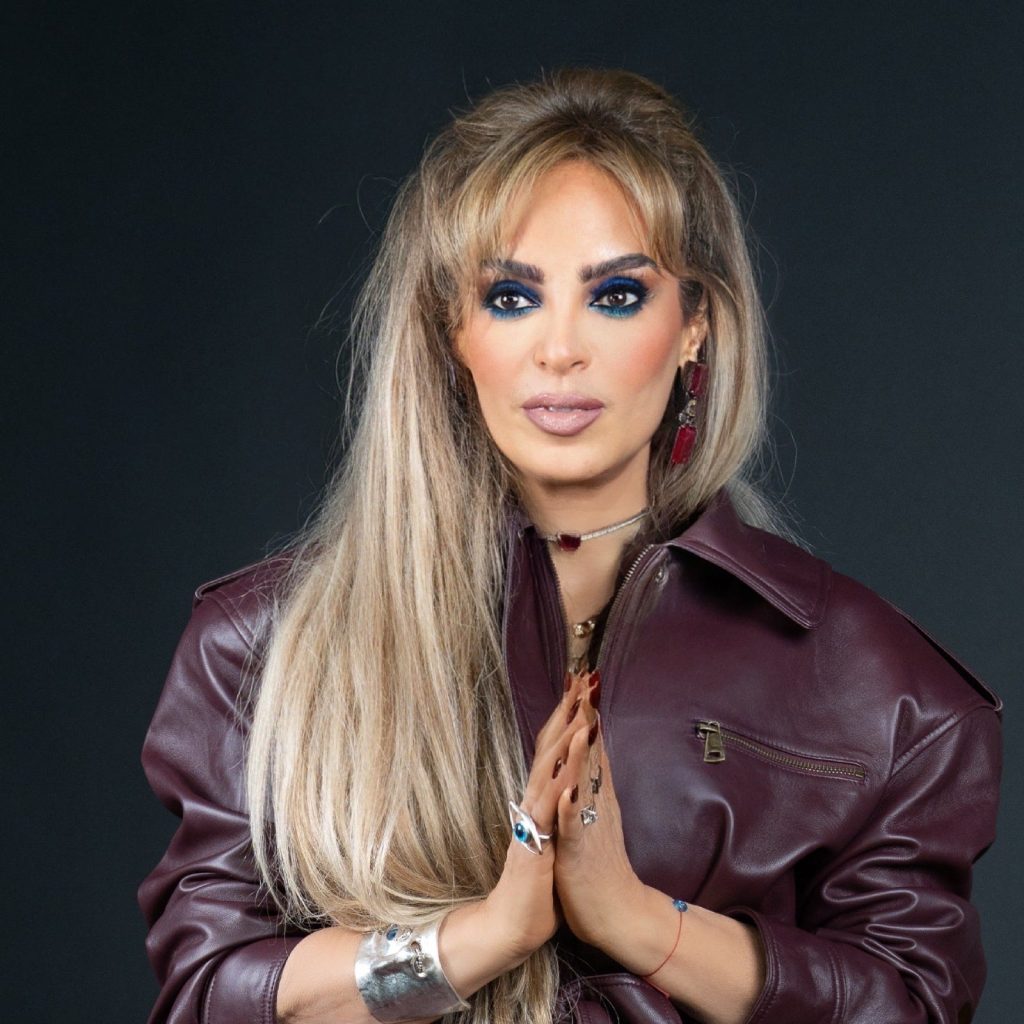
Senator Dr. Rasha Kelej
CEO of Merck Foundation