Why lasting change begins with the realities people face every day.
Human rights are universal. Every person deserves dignity, safety, opportunity and access to care. But if we want those rights to become a reality, we must understand the conditions in which people live.
A programme designed for one society cannot simply be copied into another and expected to have the same impact. The principles may be universal, but priorities, methods and communication must respond to local evidence, immediate risks, available capacity and cultural context.
This is one of the lessons that has shaped my leadership at Merck Foundation.
Begin with the harm people are facing
In some communities, a girl’s education may end because her family cannot afford to keep her in school, or because marriage is seen as her expected future. A woman experiencing violence may have nowhere safe to turn. A woman may face discrimination and abuse because of infertility stigma. A person with a disability may be excluded from education and everyday life. Someone living with mental illness may fear being judged for asking for help. A patient may be unable to find a trained specialist close to home.
These are urgent realities. They affect whether people can exercise their rights at all.
When resources are limited, we have a responsibility to ask: Where is the harm most immediate? Who is being left behind? What can we change in a way that will last?
Giving more attention to an urgent need does not make anyone else’s rights less important. Prioritizing action is not ranking human worth. It is how we make universal principles meaningful in a particular place and time.
Priorities must also be revisited. Communities change, evidence changes, and people affected by a problem must have a voice in defining both the need and the response.
Culture is part of the work
Understanding cultural context does not mean accepting harmful practices. It means recognizing that change is unlikely to last if we ignore the beliefs, fears and social pressures surrounding them.
A few examples from the 42 critical and underserved specialties we address in Africa illustrate this approach.
Consider infertility stigma. Training a fertility specialist matters, but medical expertise alone cannot help a woman who is blamed for infertility, discouraged from seeking care or made to believe that she has less value because she has no children.
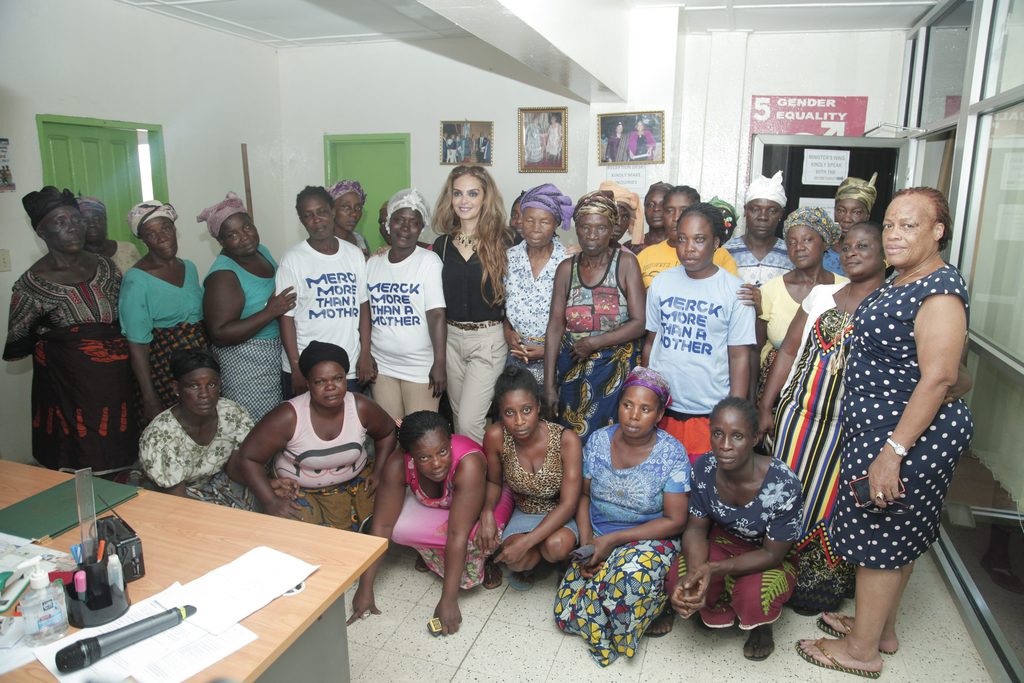
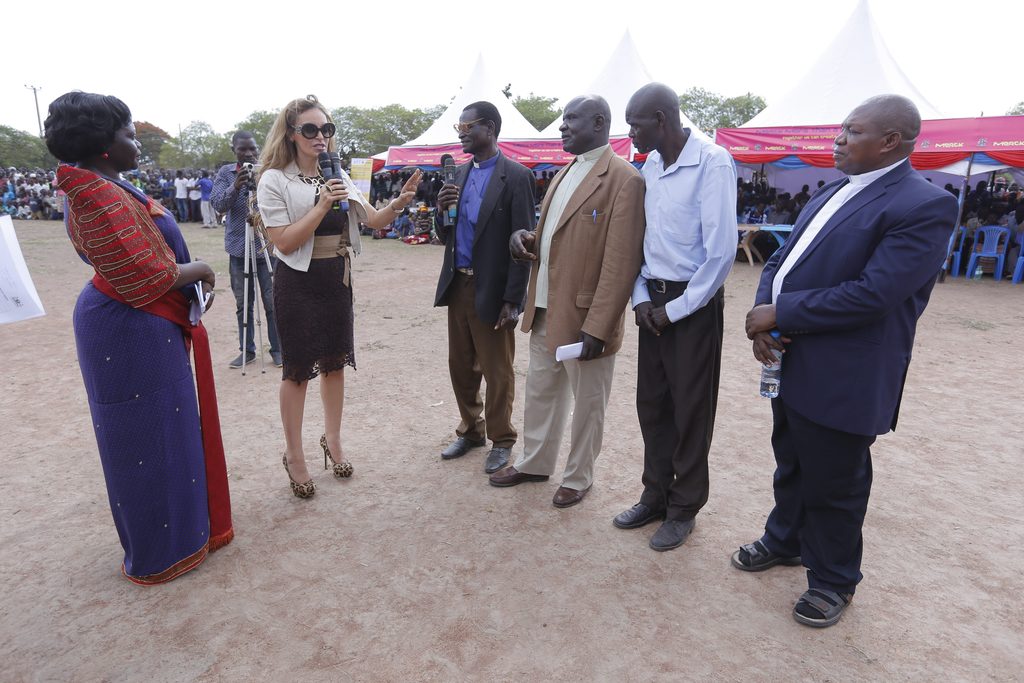
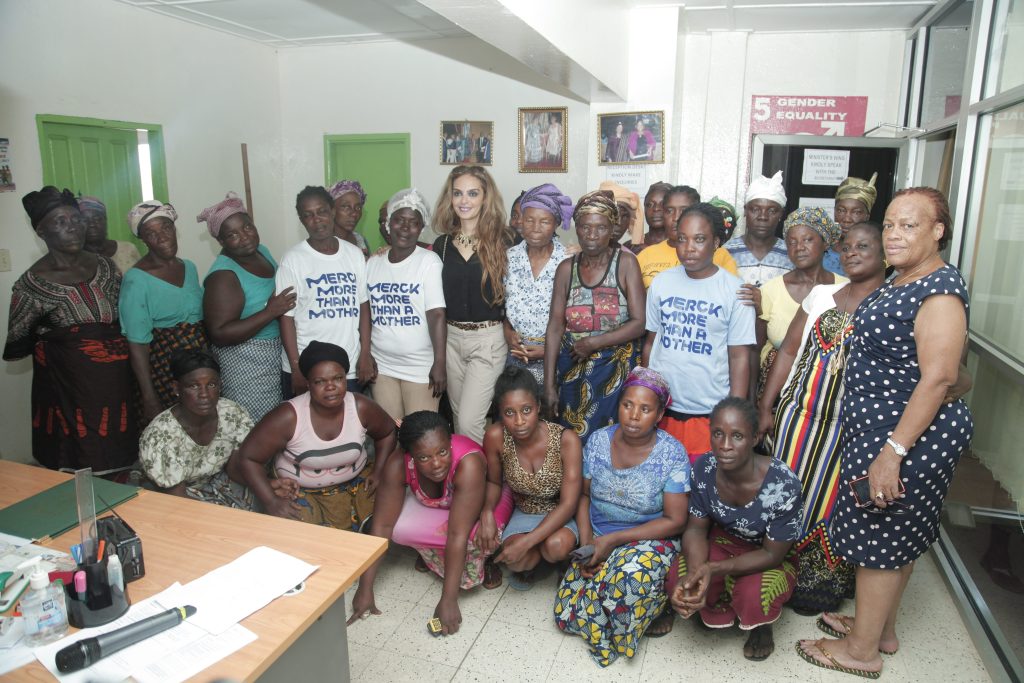
Through Merck Foundation’s “More Than a Mother” movement, we work on several layers of that challenge: building healthcare capacity, widening access to information, and engaging First Ladies, media, artists and communities to change conversations around infertility. The aim is to support women’s dignity while helping build the local expertise needed to provide care.
Another example is access to cancer care. In several African countries, patients with cancer have had little or no access to specialist care, including palliative care and pain management. Through Merck Foundation’s scholarships, we have helped train local cancer care teams in these fields. A patient’s needs do not end when a cure is no longer possible: relieving pain and supporting the person and their family are essential parts of dignified care. Building that expertise locally can make such care available long after an individual training programme ends.
Mental healthcare offers a further example. We have supported the training of psychiatrists in African countries where specialist mental healthcare has been scarce, including doctors who are among the first specialists in their communities. Their expertise can improve access to diagnosis and treatment, but access alone is not enough. Where mental illness carries stigma, people may be afraid to seek help. That is why building local psychiatric capacity must go hand in hand with changing how families and communities understand mental health.
The same principle applies to girls’ education and the inclusion of people with disabilities. A scholarship, a trained professional or an awareness message can each make a difference. Their impact grows when we also address the attitudes and systems that determine whether someone can use that opportunity.
Build the people who can carry change forward
Our vision is of communities in which people can access better healthcare, girls can pursue their education, and women and men are treated with dignity regardless of illness, disability or fertility status.
Our mission requires more than identifying what is wrong. We must help build the capacity to respond.
That is why Merck Foundation invests in training healthcare professionals and works with partners who can influence both services and social attitudes.
Governments and public institutions can help embed change. Healthcare professionals can deliver specialist care and train others. Educators can help keep opportunities open to girls. First Ladies and Presidents can draw attention to sensitive issues that may be especially difficult for an international organization to discuss publicly. Media and artists can challenge stigma in ways that reach families and communities, including people who may not be reached by written messages.
I remember the remarkable impact of three songs created and performed by the former President of Liberia, the former First Lady of Burundi, and the daughter of the current First Lady of Burundi. Sung in English and French, they helped challenge infertility stigma, empower women without children, and raise awareness of male infertility in their countries and across Africa.
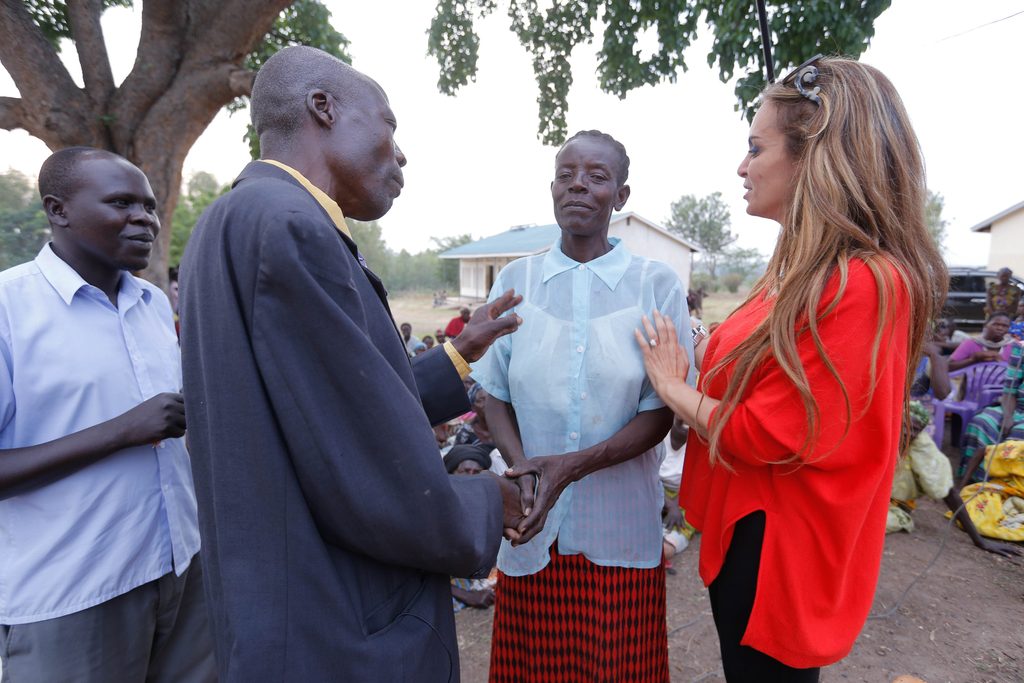
Each partner has a different role. Lasting progress begins by listening to the people whose lives the work is meant to improve, but leadership cannot end there. It also means helping partners see solutions they may not yet have the capacity to pursue or the confidence to imagine. Training a local specialist, for example, takes more time and effort than meeting an immediate request for equipment. Yet that specialist can care for patients, train others and help build a service that continues to grow independently. I believe we should inspire and support people to move beyond what feels possible today, especially when doing so addresses the issues that matter most to them. That is how an initial investment can create lasting, multiplying impact.
Leadership means seeing the layers
A leader can announce a universal goal. The harder work is to understand what stands between that goal and a person’s daily life.
If a girl has a right to education, what is preventing her from staying in school? If a patient has a right to healthcare, who is trained to provide it? If a woman has a right to dignity, which beliefs are putting that dignity at risk? If a person needs support, will asking for it expose them to stigma?
These questions lead us beyond statements of intent and toward practical action.
Human rights do not become less universal when we adapt our approach to local realities and priorities. They become more achievable. For me, that is leadership beyond the obvious: holding firmly to the dignity of every person while doing the sustained, detailed work needed to make that dignity felt in their daily lives.
Senator Dr. Rasha Kelej
CEO of Merck Foundation