People often ask me:
“What is the secret behind your influence and relationships across so many countries?”
My answer surprises them.
I never viewed relationships as a strategy.
I genuinely care about my partners, their accomplishments, and the people they serve.
I celebrate their successes.
I support their priorities.
I respect their cultures.
I remain available long after meetings and events are over.
Perhaps that is why trust develops naturally.
Influence is not something you take.
It is something others give you when they know your intentions are sincere.
In a world focused on networking, I still believe caring is a leadership advantage. Enjoy reading my article below.
Influence is often misunderstood. Many believe it comes from titles, political authority, or control over unlimited resources. My experience has been the opposite. The most durable influence I have built across more than 50 countries , working closely with their First Ladies , Presidents and Ministers, did not come from power or control
over huge budget , in fact it came from trust, transparency and loyalty .
I never entered rooms as a political actor . I entered as a dedicated partner. That single distinction shaped everything that followed.
The First Principle: Neutrality Is Not Weakness
Operating across countries, cultures, and governments requires a position that is both clear and disciplined. I made an early decision: I would remain politically neutral at all times.
Neutrality is not silence or weakness . It is focus.
Therefore ; I developed “Political Neutrality “ declaration as part of Merck foundation guidelines .
It means:
- You do not align yourself or your organization with political agendas , we have a higher purpose .
- You do not comment on internal political dynamics. It is not our objective.
- You anchor every conversation in shared human priorities, this is our only mission.
Health, education, women empowerment—these are universal. When you stay anchored in them, doors open across borders that would otherwise remain closed.
Neutrality builds something very rare: access without resistance.
Access with TRUST.
The Second Principle: Start With Listening, Not Proposing
Most people try to influence by arriving with solutions and complicated strategy papers and call for action.
I do totally the opposite.
In every country, my first objective is to understand:
- What are the real priorities?
- What are the sensitivities?
- What has failed before—and why?
Listening is strategic. It signals respect and allows you to align your initiatives with existing national visions rather than imposing external ideas.
When people feel understood, they become open. When they become open, collaboration becomes natural.
The Third Principle: Align With National Pride, Not External Pressure
Influence fails when it feels imposed.
Every country has its own identity, pride, and priorities. They have talents, potential and success stories and not only challenges. If your work ignores that, it will not last.
Instead of positioning initiatives as external programs, I have to consider the following :
- Supporting national goals
- Amplifying local success
- Enabling sustainable, long-term impact
This shift changes perception completely. You are no longer “bringing something in.” You are building something together.
The Fourth Principle: Build smart and active Partnerships and Advance Capacity , Not Dependency, Sponsorship or Donations .
True influence does not create reliance—it creates ownership .
From the beginning, I focused on partnerships that:
- Empower local stakeholders
- Transfer knowledge
- Build capacity
- Continue independently over time
This approach requires patience. It is slower at the beginning, but far stronger and more sustainable and much more rewarding in the long term.
When partners feel ownership and advance thier capabilities , they defend, expand, and sustain the work—even when you are not present.
That is when influence becomes real.
The Fifth Principle: Consistency Builds Credibility and Trust.
In global work, reputation travels faster than you do.
People observe:
- Do you deliver what you promise?
- Are you consistent in your message?
- Do you maintain the same quality standards everywhere?
- Are you available and fully engaged , not only after visibility at a single event or photo opportunity.
Consistency is what transforms a single successful initiative into a trusted platform across multiple countries.
Credibility is not built through statements. It is built through repeated, aligned efforts over time.
The Sixth Principle: Respect Cultural Intelligence
What works in one country may not work in another.
Influence requires cultural awareness at a very detailed level:
- Communication styles
- Decision-making structures
- Social norms and expectations
Respecting these differences is not about adaptation alone—it is about precision and emotional intelligence.
When you understand the context deeply, your message becomes relevant, and your presence becomes welcomed.
The Seventh Principle: Protect Your Position Carefully so you can protect your relationships.
Access at high levels is fragile.
One misstep—one statement, one perceived alignment—one wrong contact can close doors across multiple countries.
I maintain strict personal rules:
- No political commentary
- No public positioning on internal matters
- Clear focus on humanitarian and development objectives
- No sharing data , contacts or work details
- No to all opportunistic partnership proposals.
This discipline protects long-term influence., it is very sensitive.
What Most People Get Wrong About Influence
Many believe influence comes from visibility.
No no no ….Visibility helps—but it is never enough.
Real influence is built on:
- Trust and Credibility.
- Reliability
- Personal engagement
- Daily availability
- Alignment
- Respect
It is quiet, often invisible and demanding , but extremely powerful.
By the way: it requires Work- Life fusion and understanding the power of small decisions.
My Personal Framework
Trust is not something I try to “create.”
It comes naturally from how I engage with my partners—with sincerity, respect, and a genuine interest in their success.
Any framework or structure I use simply ensures that this care is reflected consistently in my decisions across my organization.
If I had to summarize my approach into a simple framework, it would be this:
- Stay neutral to remain welcome everywhere
- Listen first to understand before acting
- Align locally to build relevance
- Partner deeply to create ownership
- Deliver consistently to build credibility
- Respect culture to gain acceptance
- Protect your position to sustain access
Influence without power is not a limitation—it is a strategy.
Power can open doors quickly.
Trust keeps them open for a lifetime.
And in my line of global work, longevity is everything.
Most importantly ; personally : don’t see relationships and influence as strategy.
I genuinely care about my partners and their accomplishments.
Many argue , this is the secret to this influence !!!!
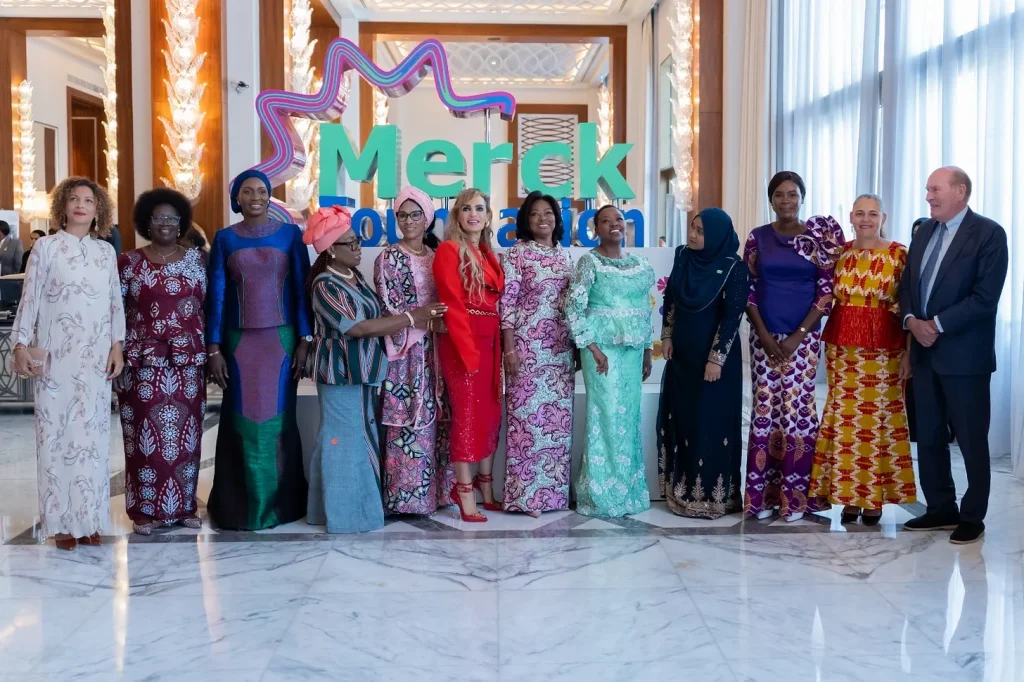
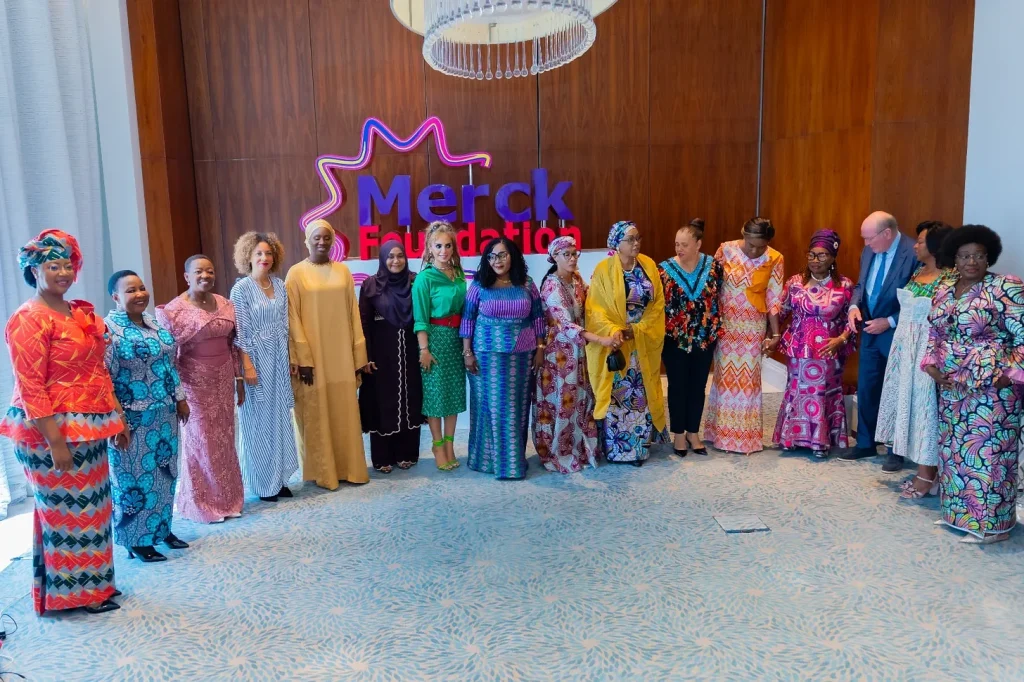
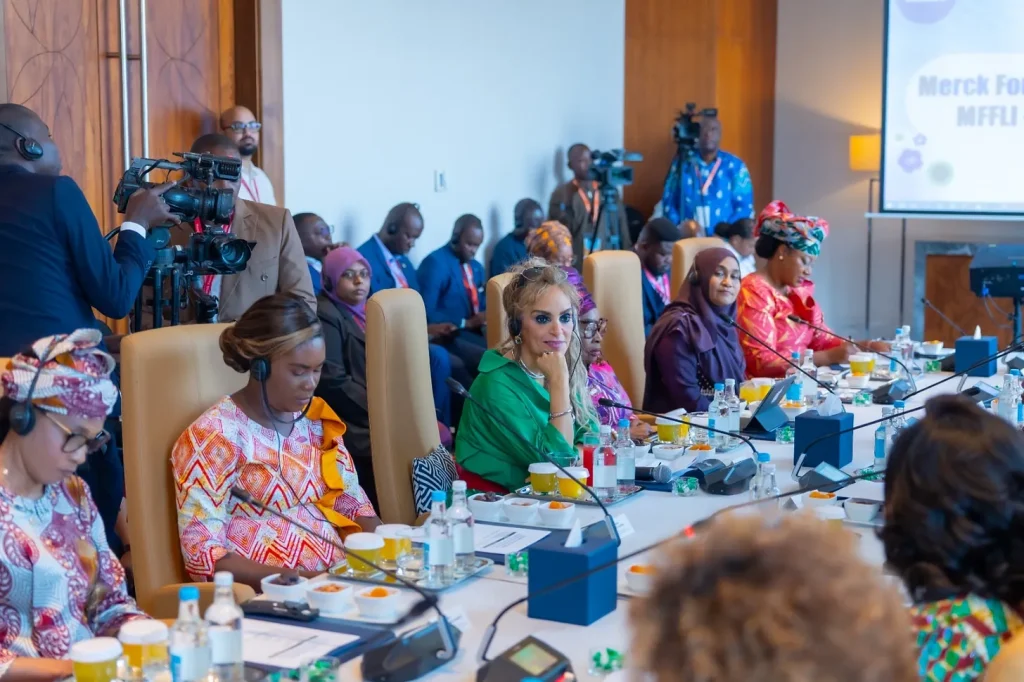
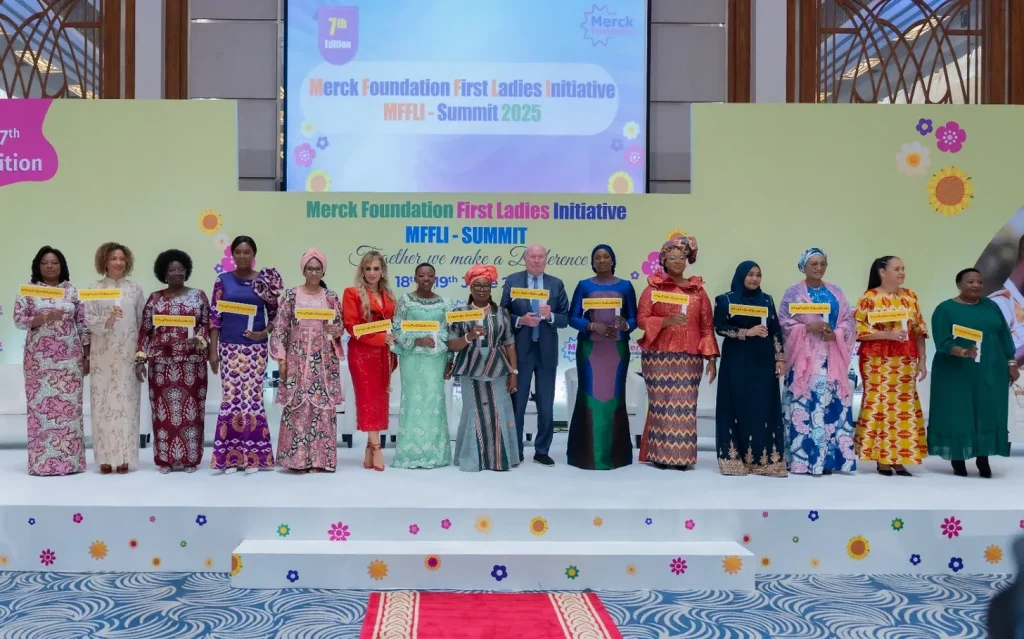
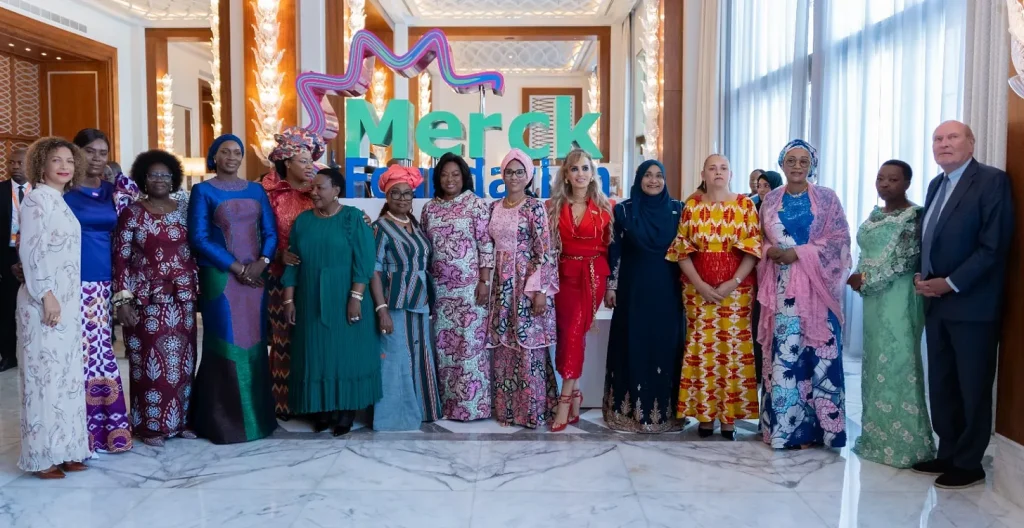
Attached photos of f Merck foundation First Ladies Initiative-MFFLi who also are Ambassdor’s of MF more than a Mother “ campaign www.merck-foundation.com
Senator Dr. Rasha Kelej
CEO of Merck foundation
President of Merck foundation First Ladies Initiative -MFFLI.